Medix_Biochemica_logo
Pages
    Products
    View All +
      No input value added to show the results.
      User
      User
      • Home
      • Our Products
        • Product Categories
          • Antibodies
          • Antigens
          • Biospecimens
          • Blockers and Stabilizers
          • Bulk Biologicals
          • Enzymes
          • Immunoassay Kits
          • Lipoproteins
          • Molecular Reagents
          • Processed Plasma and Serum
          • Proteins
          • Small Molecules
        • Clinical Areas
          • Biologicals
          • Cardiac Markers
          • Clinical Chemistry
          • Diabetes
          • Drugs of Abuse
          • Hormones
          • Immunology
          • Infectious Diseases
          • Inflammation
          • Kidney
          • Metabolism
          • Neurology
          • Serology
          • Serum Proteins
          • Tumor Markers
          • Veterinary
        • MedixMDx
          • End-Point
          • Real-Time
          • Isothermal
          • Lyophilized
        • Our Services
          • Contract Manufacturing
          • Contract Development
          • Contract Analytical
      • Resources
        • Scientific Publications
          New discoveries, research findings, and advancements in various areas of study
        • Technical Notes
          Performance and technical support to aid product comparisons
        • Flyers & Applications
          Short form promotional materials to inform on product information
        • Product Catalogs
          Comprehensive listings showcasing product odering information
        • FAQs
          Frequently asked questions
      • About Us
        • Our Science
          Capabilities and areas of expertise
        • Our Certifications
          Review our ISO certifications and quality documents
        • Join the Team
          Learn more about open opportunities
        • Sustainability
          Our efforts towards securing a sustainable future
      • News
        • Articles & Press Releases
          Regularly published news and articles
        • Events & Webinars
          Up to date information on exciting and upcoming events
      • Home
      • Our Products
        • Product Categories
          • Antibodies
          • Antigens
          • Biospecimens
          • Blockers and Stabilizers
          • Bulk Biologicals
          • Enzymes
          • Immunoassay Kits
          • Lipoproteins
          • Molecular Reagents
          • Processed Plasma and Serum
          • Proteins
          • Small Molecules
        • Clinical Areas
          • Biologicals
          • Cardiac Markers
          • Clinical Chemistry
          • Diabetes
          • Drugs of Abuse
          • Hormones
          • Immunology
          • Infectious Diseases
          • Inflammation
          • Kidney
          • Metabolism
          • Neurology
          • Serology
          • Serum Proteins
          • Tumor Markers
          • Veterinary
        • MedixMDx
          • End-Point
          • Real-Time
          • Isothermal
          • Lyophilized
        • Our Services
          • Contract Manufacturing
          • Contract Development
          • Contract Analytical
      • Resources
        • Scientific Publications
        • Technical Notes
        • Flyers & Applications
        • Product Catalogs
        • FAQs
      • About Us
        • Our Science
        • Our Certifications
        • Join the Team
        • Sustainability
      • News
        • Articles & Press Releases
        • Events & Webinars
      Get in Touch
      Order Online

      Oncology

      Shop now

      Oncology Diagnostics

      Research shows that a global cancer surge is underway, with cases doubling since 1990 and reaching 18.5 million new diagnoses in 2023.1 Cancer-related deaths have also climbed to over 10 million a year, with the steepest increases hitting low- and middle-income countries.1

      Without urgent action to implement better cancer control policies, researchers project more than 30 million new cancer cases annually by 2050.1 It’s also worth noting that around four in 10 cancer deaths are tied to preventable risks, such as smoking, poor diet and high blood sugar.1

      "Cancer remains an important contributor to disease burden globally … with disproportionate growth in countries with limited resources. Despite the clear need for action, cancer control policies and implementation remain underprioritized in global health, and there is insufficient funding to address this challenge in many settings.

      Ensuring equitable cancer outcomes globally will require greater efforts to reduce disparities in health service delivery such as access to accurate and timely diagnosis, and quality treatment and supportive care."

                                                          - Dr. Lisa Force, Institute for Health Metrics and Evaluation (IHME), University of Washington, USA1

      • Defining Cancer
      • The role of oncology diagnostics in cancer care
      • The future of oncology diagnostics 
      • Frequently asked questions
      • How Medix Biochemica makes a difference

      Defining cancer

      Cancer is a disease that begins with a disruption in the cell replication cycle.2 Changes within a single cell (e.g. damage to the cell’s DNA) can affect its ability to repair itself or self-destruct appropriately. Uncontrolled replication can lead to a build-up of cells, i.e. a tumor. If the tumor is malignant, it may continue to grow, invading other parts of the body or spreading to other organs.2

      The role of oncology diagnostics in cancer care

      Access to timely, accurate testing, quality treatment and follow-up care is essential for improving cancer patient outcomes.2

      Diagnostics, including clinical laboratory testing play a vital role in cancer care: 

      • Risk evaluation: As some cancers are more likely to develop under certain criteria, evaluation programs can help determine if someone has an elevated risk
      • Cancer screening: Testing can identify specific types of cancer early, before signs or symptoms appear
      • Disease determination: Biopsy testing can determine the presence of cancer and whether it has spread
      •  Therapy selection: If cancer is confirmed, additional testing can help doctors decide on the best treatment plan. This may include tests for biomarkers to help personalize treatment
      A biomarker is defined as a biological signal that indicates disease
      •  Treatment monitoring: Regular check-ups are important for determining the effectiveness of treatment as well as mitigating complications that may come with therapy
      •  Follow-up care: Care for cancer patients doesn’t end when active treatment ends. Doctors monitor a patient’s overall health to check for recurrent cancers

      The oncology diagnostics field is evolving toward precision medicine: researchers are now able to identify the molecular fingerprints of various cancers and use them to divide cancer’s broad categories into far more precise types and subtypes.3 This ‘precision oncology’, which integrates protein and molecular oncology diagnostics into cancer care, allows doctors to tailor treatments to the unique molecular characteristics of an individual patient’s tumor.3,4

      Proteomics (the study of the structure and function of proteins) provides real-time insights into tumor biology, complementing genomic data that may not fully reflect the actual protein-level effects driving cancer progression. This allows for better prediction of therapeutic response and refinement of cancer subtypes, beyond what genomics alone can offer.4

      Key technologies driving this integration include mass spectrometry (MS), reverse-phase protein arrays (RPPA), immunoassays and liquid biopsy platforms.4  These tools enable the detection of cancer biomarkers in clinical samples such as tissue biopsies, plasma and urine.4

      Proteomics is a powerful tool in advancing personalized cancer therapy.4 Looking further to the future, artificial intelligence-driven proteomic platforms are also emerging as valuable aids for clinicians, offering data interpretation through decision-support systems.4 Classifiers trained on proteomic data can distinguish between patients who are likely to respond to specific treatments and those who are not, improving the personalization of their care.4


      Cancer biomarkers explained

      Cancer biomarkers (also called oncology biomarkers or tumor biomarkers) are substances that may be produced by cancer cells, or produced by the body in response to cancer.5,6

      Different types of cancer biomarkers provide distinct insights into the nature and progression of cancer.6

      • Protein biomarkers are proteins that serve as biological indicators of a specific condition.6 They provide insights into protein interactions and modifications6
      • Genetic biomarkers are specific alterations in an individual’s genome that can be used to indicate the presence of a disease like cancer.6 They can guide the selection of targeted therapy based on an individual's unique genetic profile, and can also be useful in predicting prognosis and assessing recurrence risks6
      • Epigenetic alterations are promising biomarkers for cancer due to their stability, their specificity to certain genes and their potential for non-invasive detection6
      • Metabolic biomarkers reflect changes in the metabolic pathways of the cell, providing insights into cancer growth and survival, and helping with diagnosis, prognosis and treatment6
      • Cellular biomarkers are biological molecules produced by the body or tumor that can be used to detect, diagnose and treat cancer6

      Minimal residual disease (MRD) biomarkers are the small amount of cancer cells that remain present after treatment. MRD detection can be used to predict future relapses6 

      There are also some emerging cancer biomarkers that offer promising new avenues for early detection and personalized treatment.6 These include:6

      • liquid biopsy-based biomarkers
      • immune-related biomarkers
      • multi-omics biomarkers
      • biomarkers detected using artificial intelligence


      Clinical roles of biomarkers in oncology6

      Role What biomarkers do
      Assessing disease risk 
      • Identify people with a predisposition to certain cancers
      • Enable early intervention and preventative measures
      Screening for malignancies
      • Screen healthy individuals for undetected cancers
      Differentiating cancer types
      • Distinguish between different malignancies and benign conditions
      • Provide clarity in complex diagnoses
      Determining prognosis and recurrence risk
      • Provide insight into disease progression and recurrence likelihood
      • Methods include gene expression profiling for personalized prognosis
      Monitoring treatment response
      • Evaluate treatment effectiveness
      • Detect progression or recurrence of cancer
      • Enable adaptive treatment
      Predicting treatment response
      • Help with the selection of optimal therapies, especially in precision oncology
      Guiding therapeutic decisions
      • Identify patients that could benefit from targeted therapies or immunotherapies 
      Evaluating MRD
      • Detect residual cancer cells after treatment, indicating the need for further intervention
      Identifying therapeutic resistance
      • Predict or detect the development of treatment resistance
      • Allow for changes in treatment strategies
      Drug development and research
      • Play a vital role in clinical trials
      • Assist in identifying appropriate patient populations
      • Monitor responses and evaluate new treatments

      Immunoassays in diagnostic oncology

      Immunoassays are foundational technologies for detecting cancer biomarkers.7 They use antibodies to identify and measure specific proteins associated with cancer.7 Common formats include enzyme-linked immunosorbent assays (ELISA), fluoroimmunoassays, chemiluminescent assays and electrochemiluminescent immunoassays.7 

      Despite the rise of genomic and proteomic tools, immunoassays remain essential. Rather than being replaced by genetic tests, immunoassays complement molecular diagnostics in valuable ways.


      Common oncology biomarkers used in immunoassays8

      Common examples of oncology biomarkers include the following:

      Biomarker  Cancer type(s) How the marker is used
      Alpha-fetoprotein (AFP)

      Ovarian

      Oncology_Ovarian


      • Diagnosis

      • Assess stage, prognosis and response to treatment

      CA-125

      Ovarian

      Oncology_Ovarian


      • Diagnosis

      • Assess response to treatment

      • Evaluate recurrence

      CA 15-3/CA 27.29

      Breast

      Oncology_Breast


      • Assess treatment

      • Detect recurrence

      CA 27.29

      Breast

      Oncology_Breast


      • Detect metastasis or recurrence
      Circulating tumor cells of epithelial origin (CELLSEARCH)

      Prostate

      Oncology_Prostate


      Breast

      Oncology_Breast

      • Assess prognosis

      • Inform clinical decision-making

      C-kit/CD117

      Gastrointestinal

      Oncology_Gastrointestinal


      • Diagnosis

      • Help determine treatment

      Chromogranin A (CgA)

      Neuroendocrine

      Onoclogy_Neuroendocrine


      • Diagnosis

      • Assess response to treatment

      • Evaluate recurrence

      Cytokeratin fragment 21-1

      Lung

      Oncology_Lung


      • Monitor for recurrence
      EGFR

      Lung

      Oncology_Lung


      • Help determine treatment and prognosis
      Estrogen receptor (ER) /
      Progesterone receptor (PR)

      Breast 

      Oncology_Breast


      • Help determine treatment
      HE4

      Ovarian

      Oncology_Ovarian


      • Help plan treatment

      • Assess disease progression

      • Monitor for recurrence

      HER2/neu (ERBB2) gene amplification/mutations/protein overexpression

      Ovarian

      Oncology_Ovarian

      Lung

      Oncology_Lung

      Gastrointestinal

      Oncology_Gastrointestinal

      Breast

      Oncology_Breast


      • Help determine treatment
      Neuron-specific enolase (NSE)

      Lung

      Oncology_Lung


      • Diagnosis

      • Assess response to treatment

      Programmed death ligand 1 (PD-L1)

      Lung

      Oncology_Lung

      Gastrointestinal

      Oncology_Gastrointestinal

      Cervical

      Oncology_Cervical

      Breast

      Oncology_Breast


      • Help determine treatment
      Prostate-specific antigen (PSA) 

      Prostate

      Oncology_Prostate


      • Diagnosis

      • Assess response to treatment

      • Monitor for recurrence

      Prostatic acid phosphatase (PAP)

      Prostate

      Oncology_Prostate


      • Diagnose poorly differentiated carcinomas

      Somatostatin receptor 

      Neuroendocrine

      Onoclogy_Neuroendocrine


      • Help determine treatment

      Urokinase plasminogen activator (uPA) and plasminogen activator inhibitor (PAI-1)

      Breast

      Oncology_Breast


      • Predict aggressiveness

      • Help guide treatment

      Rare and emerging cancer biomarkers

      Diagnosing rare cancers presents unique challenges, often requiring highly sensitive protein detection methods. Newer techniques like genome sequencing, RNA sequencing and omics analysis are being employed to identify rare cancer biomarkers.9
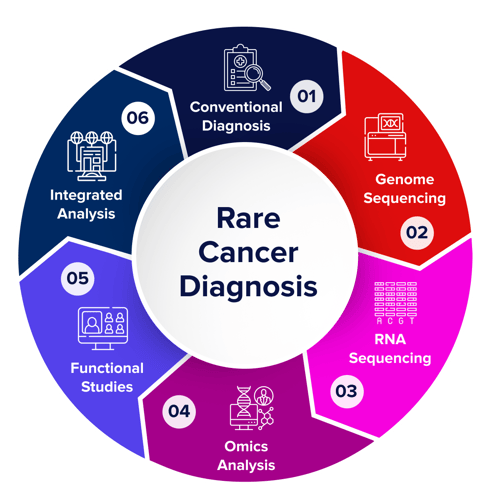
      Cancer diagnosis-1

      Adapted from Christyani, Department of Integrated Biomedical Science, Soonchunhyang
      Institute of Medi-Bio Science (SIMS), Soonchunhyang University, Cheonan 31151,
                                                                              Chungcheongnam-do, Republic of Korea, 20249


      Viruses and cancer diagnostics

      Certain viruses, including human papillomavirus (HPV), Epstein–Barr virus (EBV) hepatitis B (HBV) and hepatitis C (HCV), are linked to cancer and are therefore known as oncogenic viruses.10 Diagnostics are used for infection detection in these diseases, assessing cancer risk, and ongoing monitoring for those affected. 

      Both immunoassays and molecular testing approaches contribute to viral oncology, each offering complementary advantages.11-13

      Read more: 
      Cancer-Causing Viruses: How Immunoassays Drive Better Diagnostics

      Thumbnail Cancer-Causing Viruses_ How Immunoassays Drive Better Diagnostics


      The future of oncology diagnostics 


      At-home and point-of-care (PoC) oncology testing

      The future of oncology testing includes models for self-testing and self-collection, making testing more accessible to patients. PoC diagnostic options, like Labman’s next-gen HPV screening device,14 demonstrate how immunoassay formats support decentralized testing. 

      AI and digital tools in tumor marker interpretation

      Interpreting tumor marker data is complex, requiring both trend analysis and evaluation of individual values. Artificial intelligence enhances diagnostic consistency, speed and accuracy, and is being increasingly integrated into laboratory workflows for improved patient outcomes.16

      Read more: 
      From Data to Diagnosis: How AI in Pathology Supports Better Outcomes

      Thumbnail From Data to Diagnosis_ How AI in Pathology Supports Better Outcomes

      Frequently Asked Questions (FAQ) 

      1. How does artificial intelligence improve the sensitivity and specificity of oncology biomarkers?

        Artificial intelligence models help uncover complex, non-intuitive patterns in huge multidimensional datasets that traditional methods often miss.17

      2. What is the difference between protein-based IVD immunoassays and molecular diagnostics in cancer care

        The primary difference between IVD and molecular testing is as follows:
        - Immunoassays primarily detect proteins or antigens, using antibody-based methods such as ELISA, immunohistochemistry (IHC) and chemiluminescence.7 They provide a fast, simple and cost-effective method of detection, with good sensitivity and specificity18
        - Molecular diagnostics focus on detecting nucleic acids (DNA/RNA), testing for gene mutations (e.g. EGFR, KRAS), gene fusions or DNA methylation patterns. They use techniques like polymerase chain reaction (PCR) testing, next-generation sequencing (NGS) and gene expression profiling18  

        These are rapidly evolving and often appear unpredictably in the market.

      3. How are liquid biopsies being used in multi-cancer early detection (MCED) in 2026?

        Liquid biopsies are being used in MCED to analyze blood samples for circulating tumor DNA (ctDNA) and other biomarkers released by cancer cells.19 These tests detect molecular signals such as abnormal DNA methylation patterns, fragmentation profiles (fragmentome), mutations and protein markers associated with cancer.19

      4. What role do companion diagnostics (CDx) play in selecting biomarker-driven therapies?

        CDx is critical in selecting biomarker-driven therapies. It identifies the patients most likely to benefit from a specific treatment, based on their individual molecular profiles.20 CDx can also identify patients with an increased risk of serious side effects, and monitor treatment responses for the purpose of adjusting dosage or regimens to improve treatment safety and effectiveness.20

      5. What are the most reliable biomarkers for monitoring cancer recurrence?

        Circulating tumor DNA (ctDNA) is emerging as one of the most reliable biomarkers for monitoring cancer recurrence.21 Compared to traditional markers, ctDNA offers higher specificity and sensitivity for detecting early disease relapse.21

      6. Which viruses are most commonly linked to oncogenesis and how are they detected?

        HPV, EPV, hepatitis B and C and human T-cell lymphotropic virus type 1 (HTLV-1) are all examples of common oncoviruses.10 These viruses can be detected using immunoassays.

      7. What are the advantages of PoC testing in decentralized oncology screening?

        PoC testing enables rapid results at or near the patient’s location, eliminating the delays associated with sample transport and centralized lab processing. This speeds up diagnosis, supports timely treatment and improves outcomes, which is especially critical in fast-progressing cancers.23

      8. How does digital pathology integrate with tumor marker data for more accurate prognosis?

        Digital pathology combines high-resolution histological images with molecular, clinical and radiological information to create comprehensive, multimodal prognostic models.24

      9. What raw materials are essential for high-quality oncology immunoassay development?

        High-quality antibodies and antigens are the foundational components for high-performing immunoassays, directly influencing assay sensitivity, specificity and reproducibility.12 Monoclonal antibodies (mAbs) in particular are critical for precision.12


      medix_biochemica_brand_labs_china_2 (1)

      How Medix Biochemica makes a difference

      Medix Biochemica produces the raw materials needed to build sensitive and specific oncology immunoassays.25 We offer more than 40 years of experience in producing premium-quality mAbs for tumor marker detection, and extensive experience with purified cancer antigens for use in quality-control materials.25 

      Contact our expert team or download our tumor markers catalog to find out more.

      Get in Touch!

      Tumor Markers


      References:

      1. A global cancer surge is underway and the world is not ready. ScienceDaily. Accessed March 5, 2026. https://www.sciencedaily.com/releases/2026/01/260106224644.htm.
      2. Diagnostics in oncology. Roche. Accessed March 5, 2026. https://www.roche.com/solutions/focus-areas/oncology/diagnostics-in-oncology.
      3. National Institutes of Health. Precision oncology. Accessed March 5, 2026. https://www.nih.gov/about-nih/nih-turning-discovery-into-health/promise-precision-medicine/precision-oncology.
      4. Jaiswal I, Kulkarni R, Singh G, et al. Proteomics in personalized cancer therapy: Advances, applications, and future perspectives. Int J Sci Res Technol. 2025;2:8. doi:10.5281/zenodo.16810308.
      5. What are tumor markers & what do they mean? Cleveland Clinic. Accessed March 5, 2026. https://my.clevelandclinic.org/health/diagnostics/24813-tumor-markers.
      6. Cancer biomarkers: Understanding their types and emerging trends. Abcam. Accessed March 5, 2026. https://www.abcam.com/en-us/knowledge-center/oncology/cancer-biomarkers.
      7. Wu J, Fu Z, Yan F, et al. Biomedical and clinical applications of immunoassays and immunosensors for tumor markers. TrAC. 2007;26(7):679-688. doi:10.1016/j.trac.2007.05.007.
      8. Tumor marker tests in common use. NCI. Accessed March 5, 2026. https://www.cancer.gov/about-cancer/diagnosis-staging/diagnosis/tumor-markers-list.
      9. Christyani G, Carswell M, Qin S, et al. An overview of advances in rare cancer diagnosis and treatment. Int J Mol Sci. 2024;25(2):1201. doi:10.3390/ijms25021201.
      10. Torres MK da S, Pereira Neto G dos S, Cayres Vallinoto IMV, et al. The impact of oncogenic viruses on cancer development: A narrative review. Biology (Basel). 2025;14(7):797. doi:10.3390/biology14070797.
      11. Grandien M. Viral diagnosis by antigen detection techniques. Clinical and Diagnostic Virology. 1996;5(2):81-90. doi:10.1016/0928-0197(96)00209-7.
      12. Darwish IA. Immunoassay methods and their applications in pharmaceutical analysis: Basic methodology and recent advances. Int J Biomed Sci. 2006;2(3):217-235. Accessed February 23, 2026. https://www.ncbi.nlm.nih.gov/pmc/articles/PMC3614608/.
      13. Choosing between molecular assays and immunoassays. iFyber. Accessed February 23, 2026. https://ifyber.com/choosing-immunoassays-v-molecular-assays/.
      14. Advancing public health with a next-gen point-of-care HPV screening device. News-Medical. Accessed March 5, 2026. https://www.news-medical.net/whitepaper/20251103/Advancing-public-health-with-a-next-gen-point-of-care-HPV-screening-device.aspx.
      15. Multi-cancer detection (MCD) tests. NCI. Accessed March 5, 2026. https://www.cancer.org/cancer/screening/multi-cancer-early-detection-tests.html.
      16. AI in pathology for cancer detection. Medix Biochemica. Accessed March 5, 2026. https://articles.medixbiochemica.com/ai-in-pathology-for-cancer-detection-medix-biochemica.
      17. Alum EU. AI-driven biomarker discovery: Enhancing precision in cancer diagnosis and prognosis. Discov Oncol. 2025;16:313. doi:10.1007/s12672-025-02064-7.
      18. Tenchov R, Sapra AK, Sasso J, et al. Biomarkers for early cancer detection: A landscape view of recent advancements, spotlighting pancreatic and liver cancers. ACS Pharmacol Transl Sci. 2024;7(3):586-613. doi:10.1021/acsptsci.3c00346.
      19. Guerra CE, Litton JK, Viswanath CE, et al. Multicancer early detection tests at a crossroads: Commercial availability ahead of definitive evidence. Am Soc Clin Oncol Educ Book. 2025;45(3):e473834. doi:10.1200/EDBK-25-473834.
      20. Navigating precision medicine: The role of companion diagnostics. SOPHiA GENETICS. Accessed March 5, 2026. https://www.sophiagenetics.com/resource/navigating-precision-medicine-the-role-of-companion-diagnostics/.
      21. Duffy MJ, Crown J. Circulating tumor DNA as a biomarker for monitoring patients with solid cancers: Comparison with standard protein biomarkers. Clin Chem. 2022;68(11):1381–1390. https://doi.org/10.1093/clinchem/hvac121.
      22. Budelier MM, Hubbard JA. The regulatory landscape of laboratory developed tests: Past, present, and a perspective on the future. J Mass Spectrom Adv Clin Lab. 2023;28:67-69. doi:10.1016/j.jmsacl.2023.02.008.
      23. Haney K, Tandon P, Divi R, et al. The role of affordable, point-of-care technologies for cancer care in low- and middle-income countries: A review and commentary. IEEE J Transl Eng Health Med. 2017;5:2800514. doi:10.1109/JTEHM.2017.2761764.
      24. Hijazi A, Bifulco C, Baldin P, et al. Digital pathology for better clinical practice. Cancers (Basel). 2024;16(9):1686. doi:10.3390/cancers16091686.
      25. Tumor markers catalog. Medix Biochemica. Accessed February 23, 2026. https://www.medixbiochemica.com/hubfs/Medix%20Biochemica%20Tumor%20Markers%20Catalog%202022_V2-1.pdf?hsLang=en.


      Related Articles

      tag-latest
      Hidden Markers: Rare Cancer Biomarkers in Diagnostics
      Hidden Markers: Rare Cancer Biomarkers in Diagnostics
      Read more
      Cancer-Causing Viruses: How Immunoassays Drive Better Diagnostics
      Cancer-Causing Viruses: How Immunoassays Drive Better Diagnostics
      Read more
      From Data to Diagnosis: How AI in Pathology Supports Better Outcomes
      From Data to Diagnosis: How AI in Pathology Supports Better Outcomes
      Read more
      Medix Biochemica logo
      Independent, international, and industry-leading supplier of raw materials for the IVD industry.
      Quick Links
      Home
      About Us
      Our Products
      Resources
      News
      Sustainability
      Distributors
      Join the Team
      Product Catalogs
      FAQ
      Contact Us
      Order Online
      Order Online From China
      Copyright © 2026 Medix Biochemica | All Rights Reserved | Terms and Conditions | Privacy Policy | Human Rights Policy